

With the adoption of new packaging regulations by the European Commission and beyond the debate on replacing plastic or returning to paper, one of the key questions remains that of reducing the volume of empty space inside the packaging and therefore, the volume of the packaging itself.
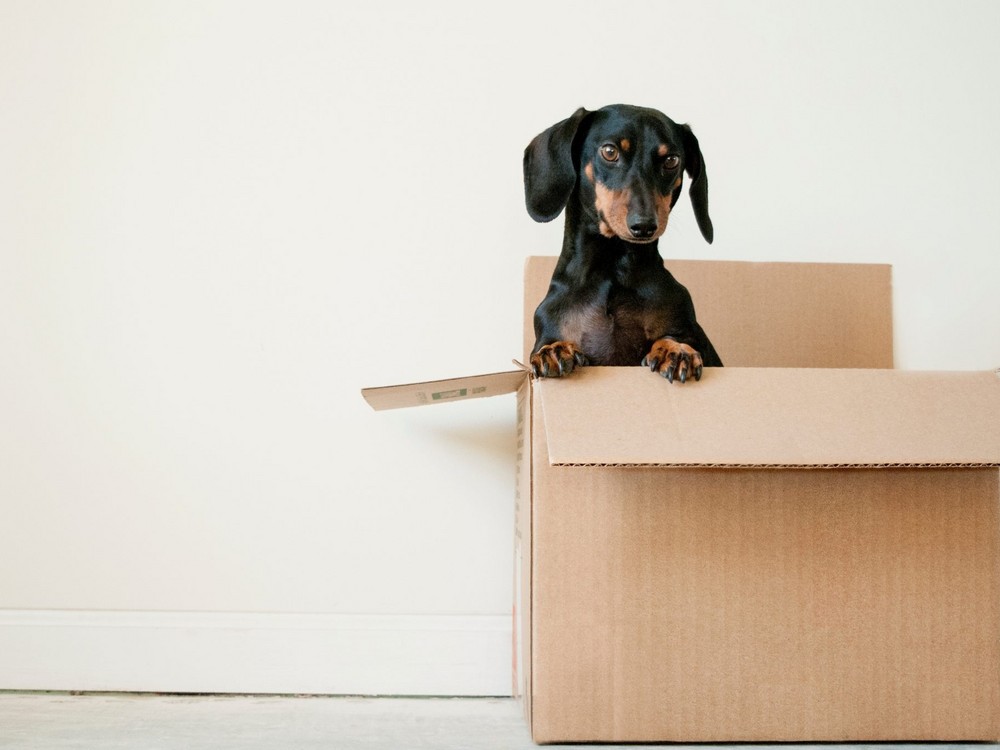
If Ikea ships flat-pack furniture, it's because it takes up less space and has a smaller impact on transport. Is the same true when it comes to packaging ground beef, potato chips, or crackers? It would still be necessary to define constraints or volumetric standards for the vacuum created or maintained around the product. Does reducing the weight of the packaging necessarily mean reducing its volume? And above all, what kind of vacuum are we talking about in these conditions? Because oxygen (O2) and carbon dioxide (CO2) are sometimes harmful and often necessary for preserving food or processed products. Everything depends both on the quantity in contact with the product and the rate at which it is replaced by outside air. Thus, less vacuum equates to packaging closer to the product and therefore a smaller volume of O2 or CO2; this raises the question of the quality of the packaging and the optimal shelf life desired for the product. These questions already require measurements and analyses of very high precision. This is, for example, what the instruments from the French manufacturer Anéolia have been enabling for the past 15 years. Some manufacturers are equipped with these instruments and regularly perform airtightness tests before and after production, in order to better protect both products and consumers. Changes in standards present an opportunity for everyone to assess the progress needed to defend the agri-food sector and the quality of products made in France.