


Repairing rather than replacing is a proposal that maintenance managers would like to adopt more often to reduce the environmental impact of industrial processes. However, they still face significant logistical and time constraints.
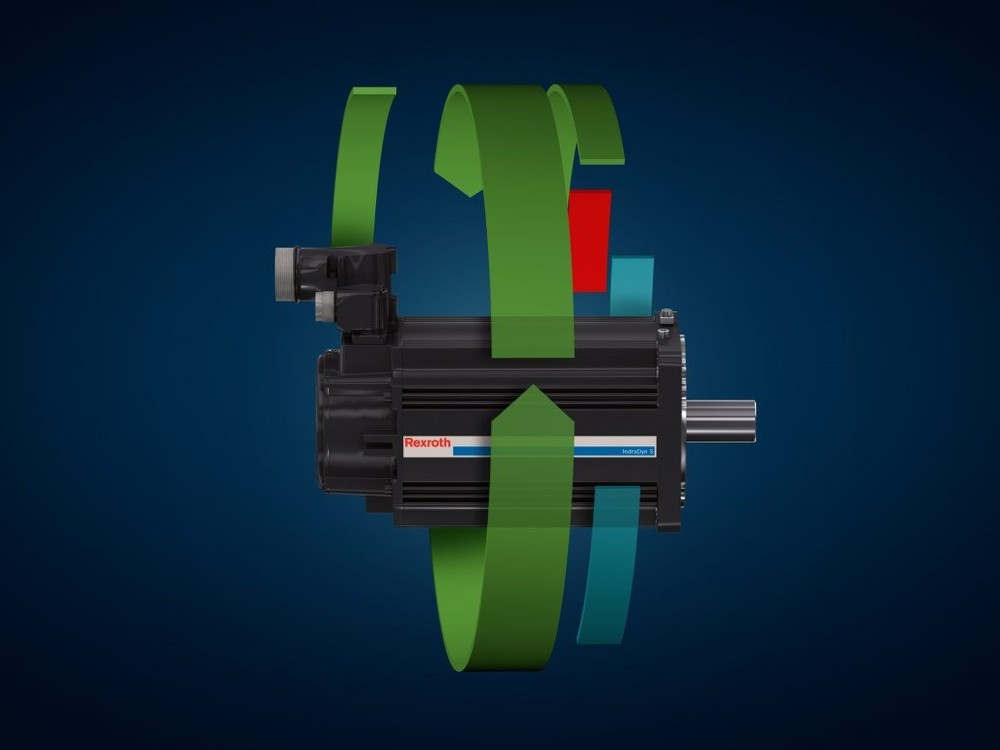
The pioneers of "circular maintenance" are currently focusing on refurbishing their own products (motors, drives, axes, etc.). This service includes a systematic inspection of all components, the preventative replacement of all wear parts, and software updates when necessary. Following this process, the product is reintegrated into its original machine with the same warranties as if it were brand new.
Companies like Guillin Emballages and Refresco, for example, explain in a white paper published by Bosch Rexroth, that they regularly use refurbishment in addition to repair and retrofit to address their obsolescence management issues.
Refurbishment could be a way for manufacturers to more quickly adopt a "circular maintenance" approach by giving them access to products from other factories. Refurbished and remanufactured products offer numerous advantages. They help ensure the availability of production equipment in the face of increasingly long parts lead times. They are significantly more economical than new products. And they help conserve essential non-renewable resources.
The implementation of large-scale take-back campaigns is a sign that the foundations for the development of refurbished products are in place; the opportunity is just waiting to be seized.